Battery Storage Systems
Empowering homes and businesses to utilise more of their self-generated energy, improve site resilience, and take complete control of dynamic tariff structures.

Best For
Properties seeking stronger self-consumption and flexibility against rising energy costs.
System Style
Standalone AC-coupled retrofits or fully integrated DC-coupled solar-plus-storage.
Typical Goal
Store more generated power, drastically reduce grid imports, and use energy more intelligently.
Designed around your energy profile
We engineer storage solutions that adapt to how you actually consume electricity, ensuring every kilowatt is utilised effectively.
Use Case
Targeted towards maximising self-consumption, providing backup support, and optimising complex time-of-use tariffs.
Integration
Engineered to work seamlessly alongside newly installed arrays or retrofitted cleanly into existing solar setups.
Planning
Usable capacity, discharge rates, and system controls are chosen strictly around your real-world usage data.
When battery storage makes the most sense
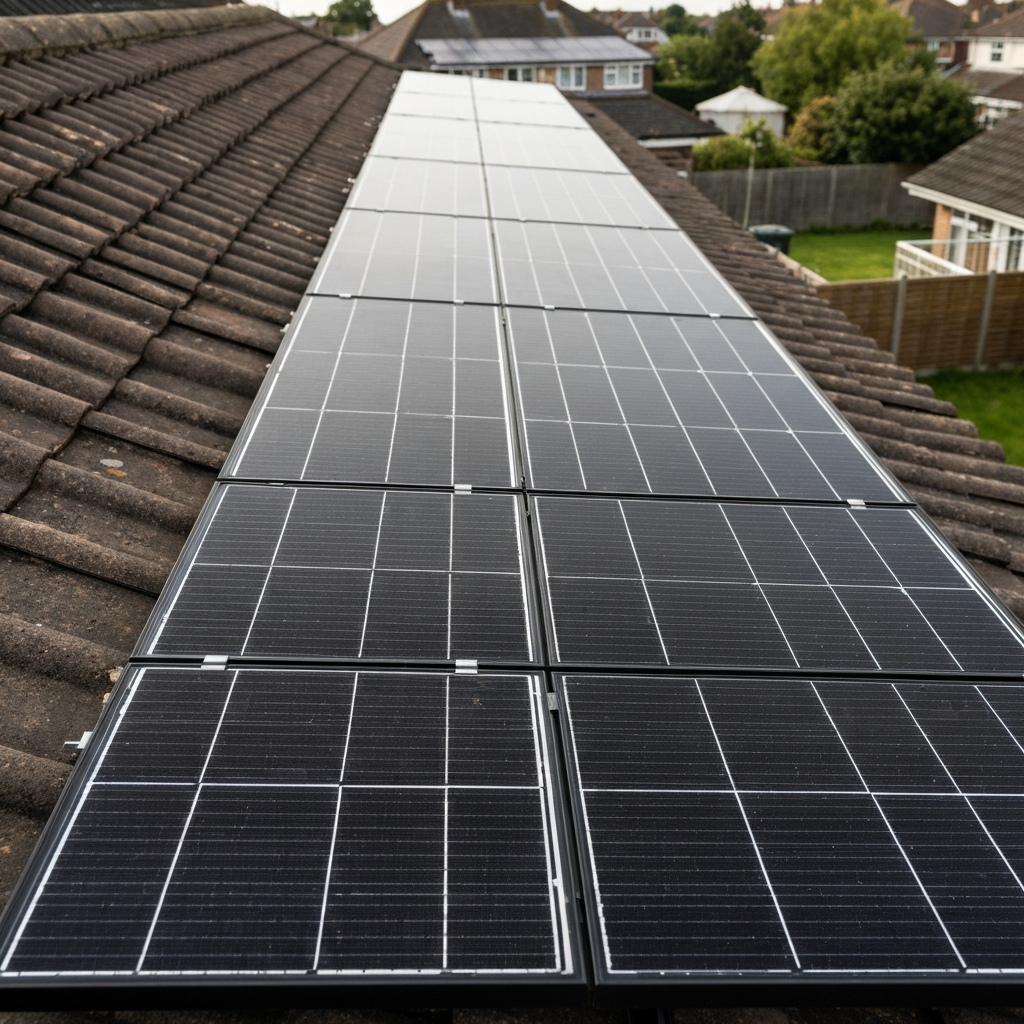
Solar Usage
- Store excess daytime generation instead of exporting it cheaply.
- Cover your evening and night-time demand entirely from clean energy.
Tariff Strategy
- Shift your energy use to cheaper, off-peak electricity periods.
- Discharge stored off-peak power during expensive peak tariff hours.
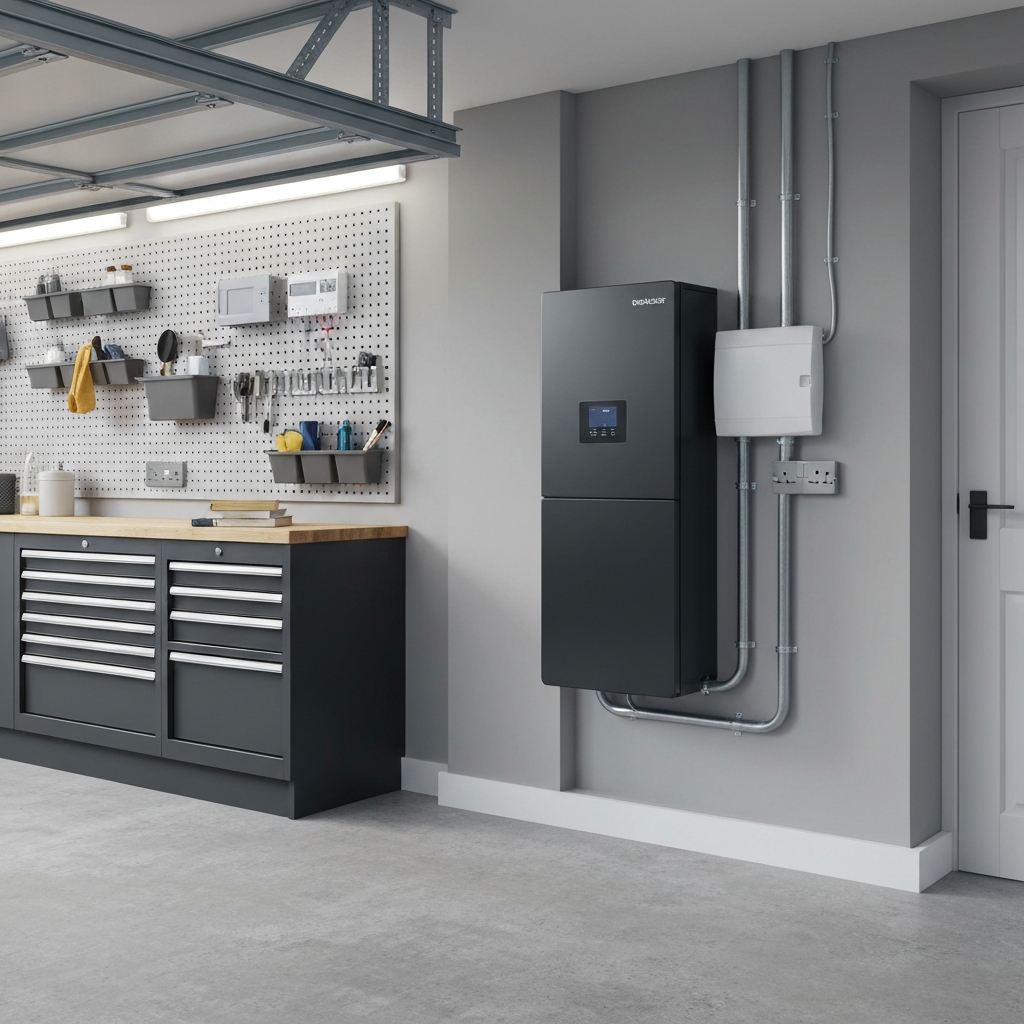
Resilience
- Build greater flexibility and independence from the national grid.
- Backup for critical circuits, engineered into the design from the start.
Configured around how the site uses power
Analysis
A detailed review of your consumption habits and generation potential to establish the correct capacity.
Integration
Careful system pairing and intelligent controls to ensure the battery communicates flawlessly with the inverter.
Delivery
Professional installation, full grid-compliance testing, and a comprehensive handover of the monitoring app.
Battery Sizing & Saving Helper
Get an indicative view of the capacity you might need based on your goals.
Frequently Asked Questions
Clear answers regarding battery storage in the UK.
Delivery flow
Our structured approach to deploying reliable battery storage.
Usage Assessment
Reviewing your consumption profile and tariff structure.
Capacity Selection
Choosing the correct usable capacity and platform format.
Integration Planning
Mapping the electrical connections and securing grid approvals.
Setup & Support
Professional installation, commissioning, and ongoing monitoring.
Follow usage, not just capacity
Installing the largest battery available isn't always the smartest financial move. We focus on matching the discharge capability and storage volume to what your property actually consumes.
What battery storage can improve:
- Vastly more self-consumption of your generated solar power.
- Better tariff flexibility to avoid peak grid pricing.
- Stronger resilience for critical circuits.
Where storage fits well:
- Homes empty during the day with high evening usage.
- Properties transitioning to heat pumps or EV charging.
- Businesses looking to shave peak demand charges.
Common battery setups
AC-Coupled
Ideal for retrofitting to an existing solar array without replacing your current inverter.
DC-Coupled
Highly efficient setup for new installations where solar and storage are planned together.
Hybrid Inverter Systems
A single inverter managing both solar generation and battery dispatch simultaneously.
Capacity should match the site
- 5-7kWhSmaller demand profiles
- 10-14kWhBroader evening usage
- 15kWh+Larger homes / stronger resilience
Why choose us
Accredited
NAPIT/NICEIC and MCS certified UK-based engineers.
System Design
Battery, inverter, and monitoring engineered as one cohesive unit.
Full Compliance
We handle all G99/DNO grid-connection notifications for you.
Backed Guarantees
Typical 10-year manufacturer warranties securely registered.
Providing premium battery storage installations for homes and businesses across [Service Areas Placeholder].
Request a Battery Quote
Provide your details below and our technical team will reach out to discuss your specific storage requirements.